Homemade Tepache Recipe



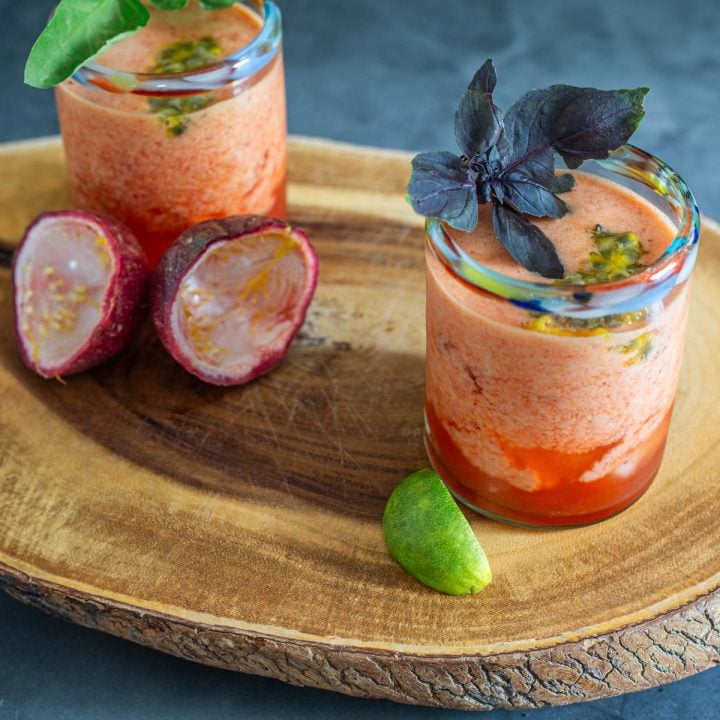
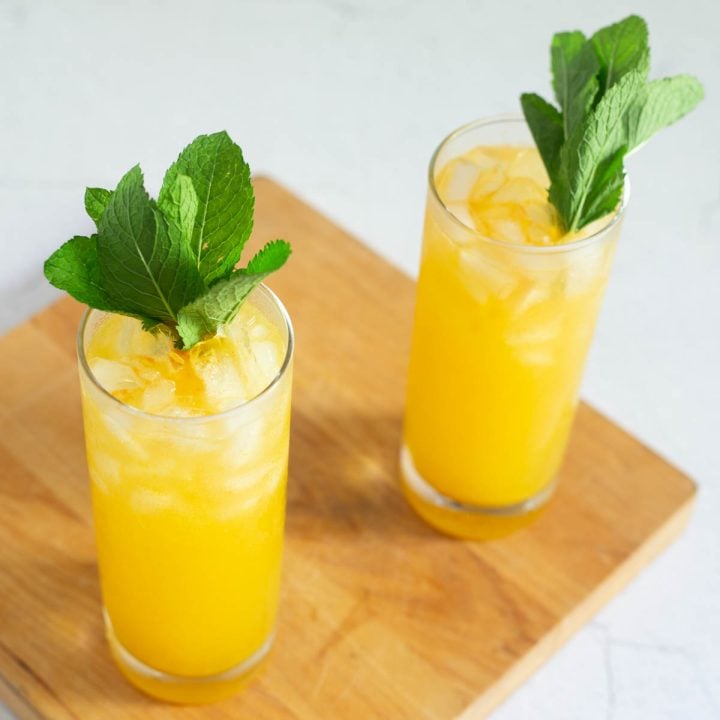
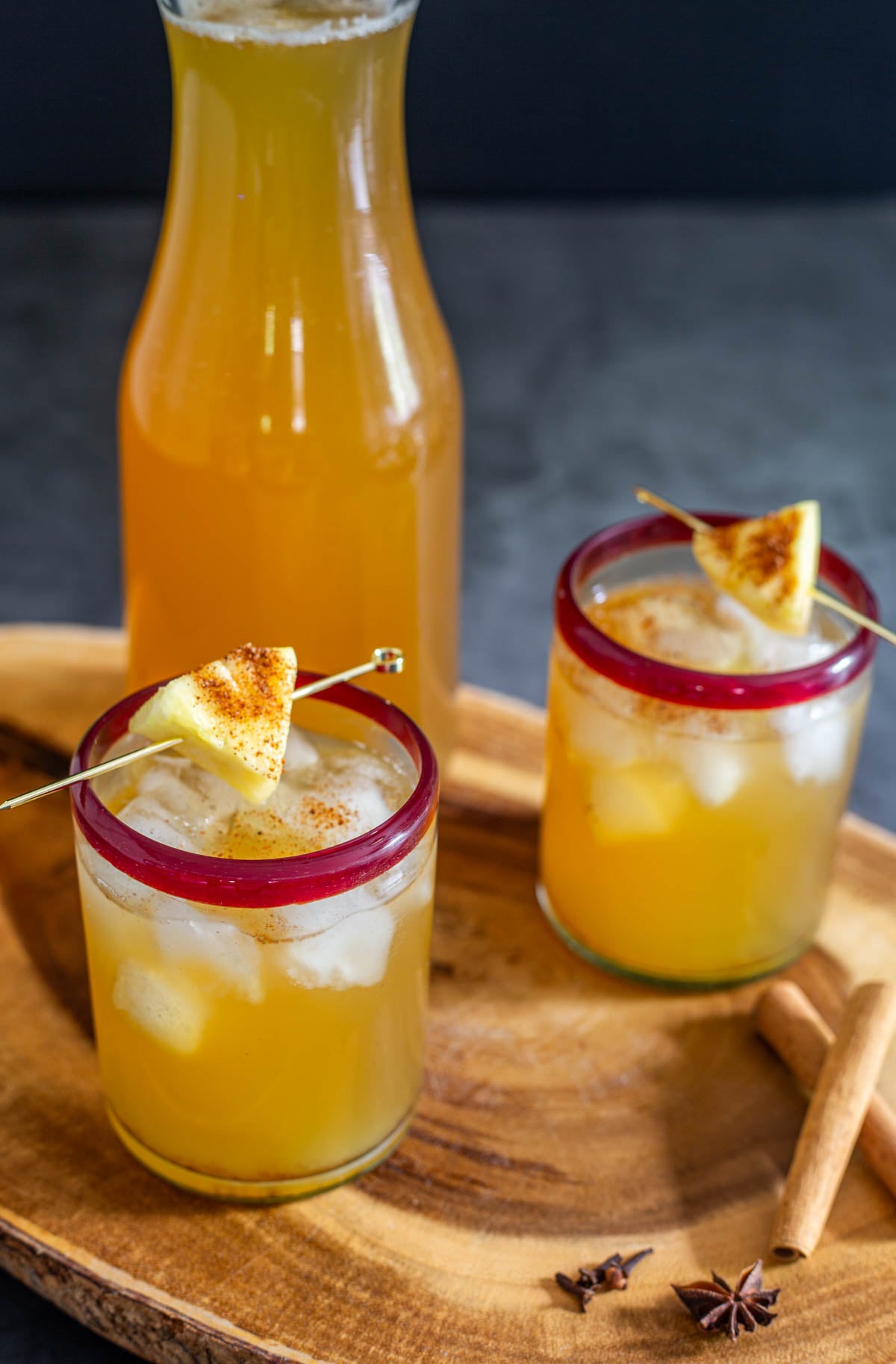
This Homemade Tepache Recipe is a traditional Mexican fermented pineapple beverage made with pineapple peels, piloncillo, and warm spices. Lightly tangy, naturally refreshing, and subtly effervescent, it’s a wonderful way to transform pineapple scraps into something truly special. My version keeps the pineapple front and center, with cinnamon, clove, star anise, fresh ginger, and a hint of chile de árbol adding warmth and complexity without overpowering the fruit. Enjoy it chilled over ice, garnish it with pineapple dusted with tajín, or use it as a surprisingly delicious mixer for a cocktail.
👩🏻🍳 Tamara Talks – What is Homemade Tepache?
Tepache is a traditional Mexican beverage made by briefly fermenting fresh pineapple scraps with piloncillo sugar, water, and cinnamon. Unlike pineapple juice, tepache has a bright, tangy flavor with subtle spice and layers of complexity, making it an exceptional ingredient in both refreshing non-alcoholic beverages and spirit-forward cocktails like this bourbon tepache cocktail.
Traditional tepache relies primarily on the microorganisms naturally present on the pineapple and in the fermentation environment. Yeast is not added to the mixture unless fermentation fails. The process can be slow to start. While it may take its time getting started, the fermentation begins, and then reaches a point where it is lightly tangy while still tasting predominantly of fresh pineapple. That’s very characteristic of what makes homemade tepache so appealing.
As per usual, I have to play with the traditional recipe. In addition to canela/Mexican cinnamon, I include cloves and star anise. Fresh ginger coins and a little warmth from chile de árbol add subtle flavor and complexity. The goal is to highlight the tangy pineapple flavor with the other ingredients playing a supporting and subtle role.
I hope that you will read on, and give this refreshing, Mexican beverage a try!
How Does Tepache Compare to Kombucha?
While they do share some similar characteristics, they are quite different fermented beverages. Having made both, I can assure you tepache is far easier, and requires less time.
The main similarity between the two beverages is the small, variable amounts of residual alcohol. While both tend to be acidic, tepache more fruity with a little bit of tang, while kombucha is quite tart and acidic.
The differences include (but are not limited to) fermention culture (wild yeast versus scoby for kombucha), fermenting time (1 to 3 days versus 7 to 14 days for kombucha), and base (pineapple versus sweetened tea for kombucha).
📋 Ingredients Notes
Here is a quick look at the ingredients in the recipe – it’s handy to use at the grocery store or as a summary of what you need. Skip to the recipe for quantities.
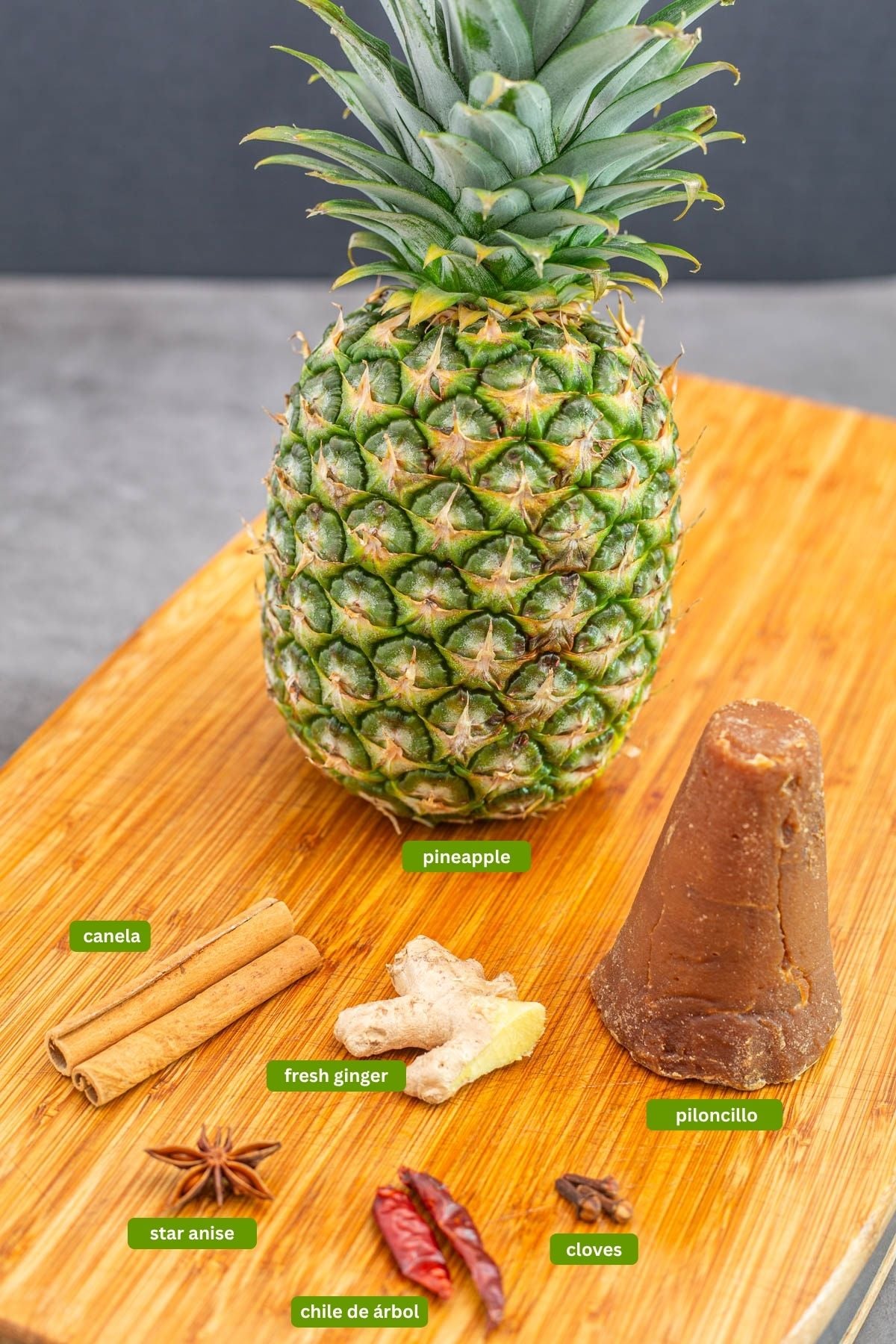
Note: As an Amazon Associate I earn from qualifying purchases at no additional cost to you. This helps to offset the costs of maintaining my blog and creating awesome content! 😊
🔪 Step-By-Step Instructions
- Dissolve the sugar – The only downside to the wonderful flavor of piloncillo is its hardness. Breaking it down is a pain.🤪 Add water to a large pot, bring it to a simmer. Add the piloncillo, spices, and chiles to the water and stir regularly until dissolved. Cool to room temperature. NOTE: Piloncillo is traditionally sold in hard cones or blocks. Break or grate it into small pieces before adding to the water so it dissolves more readily. For an even easier option, use granulated panela, which has a similar flavor and dissolves readily.
- Break down the pineapples – Remove the crown and base, then cut the pineapple into quarters. Remove the core, peel, and trimmings, and place them in the jar. Reserve the flesh to enjoy later.
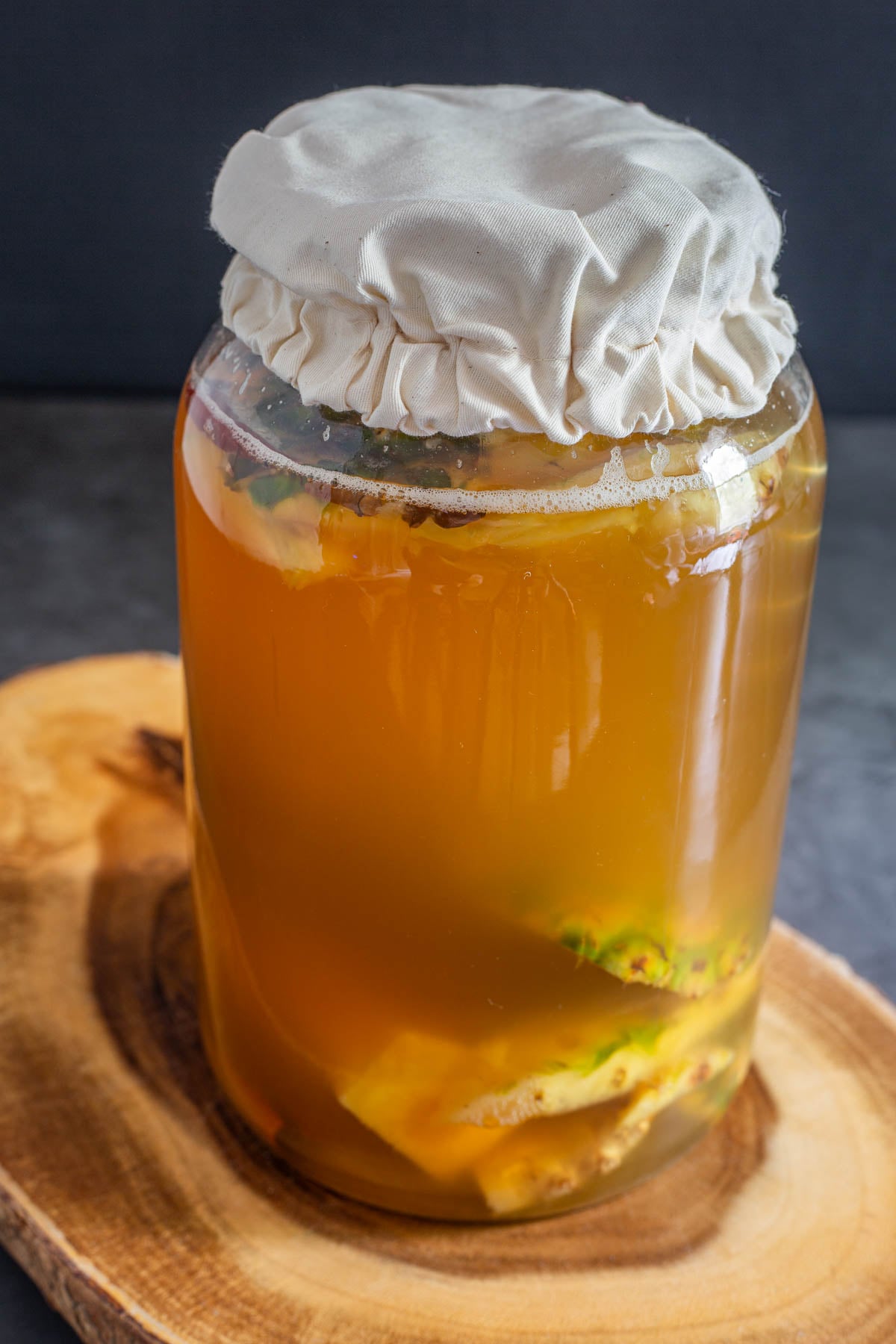
- Finish the tepache – Add the completely cooled piloncillo/spice mixture to the jar along with the chile de árbol and ginger. NOTE: The ingredients MUST BE SUBMERGED. If you have fermentation weights, use one to keep the pineapple below the surface. Otherwise, gently press the pineapple beneath the liquid with a clean utensil each time you stir. A small ramekin is another useful option. Cover with a breathable cotton jar cover, clean kitchen towel, or several layers of cheesecloth. Secure tightly to keep out insects while allowing fermentation gases to escape.
- Ferment the tepache – Store the jar at warm room temperature; 76–82°F is ideal. Stir the mixture once a day until a layer of white foamy bubbles forms at the top. It can take anywhere from 24 hours to a week depending on how warm your kitchen is. Once the bubbles form, taste the tepache. You’re looking for a sweet, slightly tangy flavor. If it isn’t strong enough for you, let it ferment a day or two longer. When it is ready, strain out the solids and refrigerate. Once refrigerated, it will continue to ferment, though more slowly. It’s best to drink within a week or two.
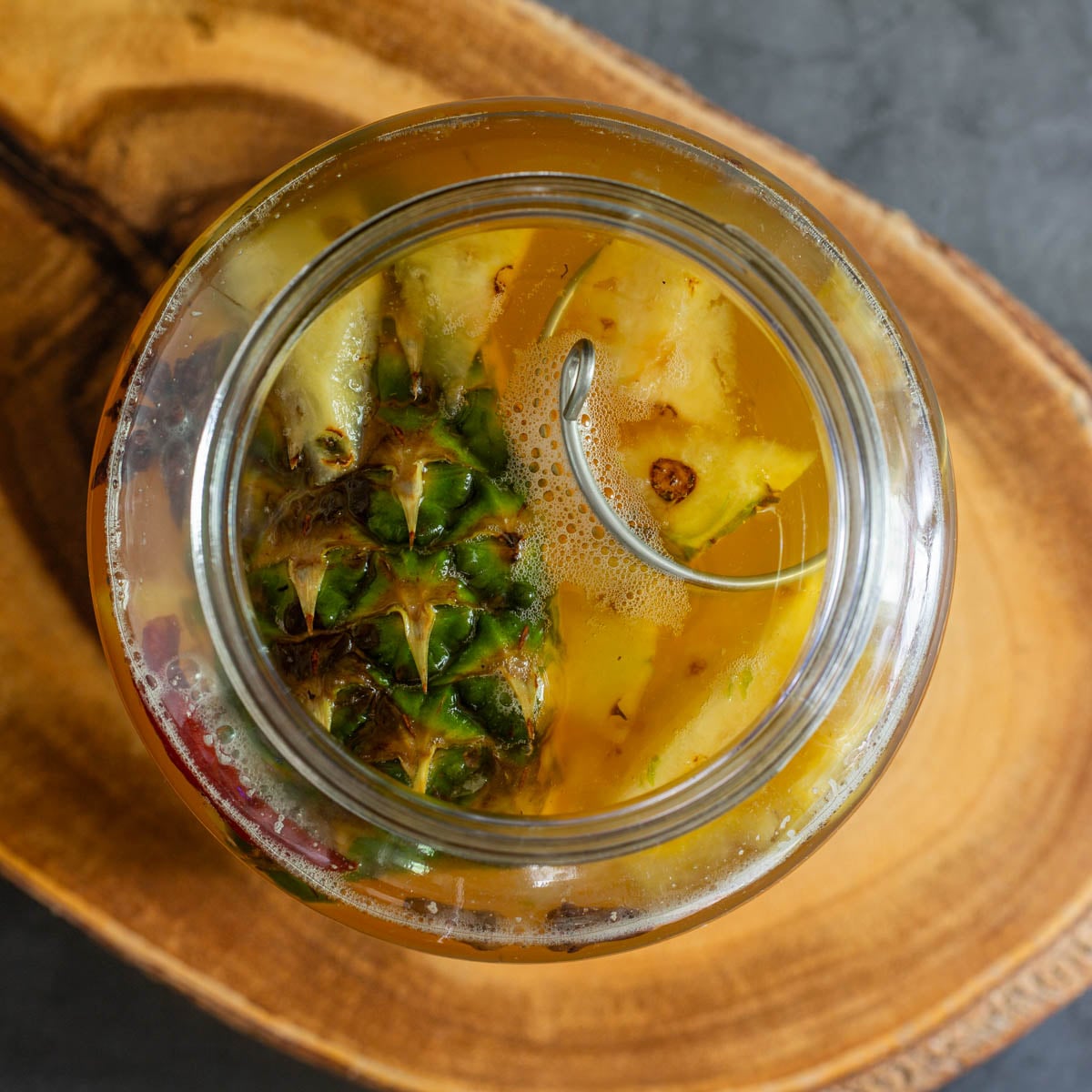
was finally under way! YAY!
🍍Tepache Variations
❓FAQ
Tepache is a naturally fermented beverage (similar to kombucha). Depending on fermentation time and conditions, it may contain a small amount of alcohol. The percentage of alcohol is typically below .5% but can be as high as 2% depending on how long it is fermented. If you prefer to avoid alcohol entirely, this recipe may not be suitable.
Tepache typically takes 24–48 hours to ferment at room temperature, although fermentation time can vary depending on the temperature of your kitchen and the natural yeasts present on the pineapple. Begin tasting after 24 hours and refrigerate it when it has developed a lightly tangy flavor and the pineapple remains fresh and prominent. If fermentation is slow, it may take up to 72 hours. Mine usually takes 72 hours due to my interior temperature of 74℉ daytime and 70℉ nighttime. It can take longer based on amount/quantity of wild yeast and environmental factors.
Don’t make visible bubbling the definition of “done.” Homemade tepache can ferment subtly. Aroma, flavor, and a little tang are better indicators than bubbling. If you don’t see bubbling after 24 hours, take your jar to a slightly warmer spot. We keep our thermostat at 74℉ during the day, and 70℉ at night. Living in Black Mountain with its pleasant summer temperatures, I got mine going by setting it on the covered front porch at 80℉ for a few hours.
The short answer? No. It does have a hint of bubbles. In a future post, I plan to cover how to do a secondary fermentation to get the carbonation. I also plan to do a syrup concentrate for use with SodaStream. In the meantime, check out my bourbon and tepache cocktail!
This is subjective. Once you begin to see tiny bubbles (see photos in the gallon jar), you will want to stir and taste every 12-24 hours. As it ferments, it will get more tangy and less sweet. At 3 days, mine had a lovely balance of sweet pineapple flavor and tanginess. Keep in mind, my batch got off to a slow start. Tasting is critical!
Our has been good a week later. Strained tepache will keep in the refrigerator for up to 2 weeks, although it is best within the first week when the pineapple flavor is brightest. Refrigeration slows fermentation but does not stop it completely, so the tepache will gradually become more tart and less sweet.

If using a hard cone of piloncillo, consider microwaving the piloncillo for about 30 to 45 seconds, until it’s soft enough that a spoon can break it apart into smallish chunks.
Zero-Waste Tip: Enjoy the reserved pineapple flesh fresh, grilled, or in another recipe rather than letting it go to waste.
Use good-quality potable water. Filtered water is optional, but may be preferable if your tap water has a strong chlorine taste.
Fermentation temperature: Tepache ferments best around 76–82°F. It will ferment at cooler room temperatures, but may take longer to become active.
Storage: Strained tepache will keep in the refrigerator for up to 2 weeks,
although it is best within the first week when the pineapple flavor is
brightest. Refrigeration slows fermentation but does not stop it completely,
so the tepache will gradually become more tart and less sweet.
After making your tepache, you will have a lot of fresh pineapple to use. Think outside the box (fruit bowl or salad)! I’m looking forward to making a fresh grilled corn and pineapple salsa, grilled pineapple wedges or chunks and dust with tajín, and a fresh pineapple shrub with mine!
I hope this recipe/post doesn’t feel overwhelming. Tepache requires a little tasting and evaluation, some patience, and possibly troubleshooting, but the actual hands-on time is minimal. Let me know in the comments if you have questions or feedback!


Homemade Tepache Recipe

Click to rate!
Equipment
Ingredients
- 2 pineapples - peels and core
- 1 gallon water - 16 cups or 4 liters
- 8 ounces piloncillo - broken or grated; see Ingredients Notes for substitutions in post
- 2 canela/cinnamon sticks
- 3 cloves
- 1 star anise
- 2 slices fresh ginger - about quarter sized
- 2 whole chile de árbol* - 1-3 as desired
Instructions
- Add water to a large pot. Add the piloncillo, spices, and chiles to the water and stir regularly until dissolved. Cool to room temperature. Cool completely before adding to the jar.
- Break down the pineapples. Add cores and peels to the glass jar. Reserve flesh for another use.
- Add the cooled sugar and spices mixture to the jar along with the sliced ginger and chile de árbol.
- Cover with a breathable cotton jar cover, clean kitchen towel, or several layers of cheesecloth. Secure tightly.
- Store the jar at warm room temperature, stirring every 12 to 24 hours before tasting.
- When you are happy with the flavor, store in the refrigerator. The tepache is freshest within a week, but will be good up to 2 weeks.
Notes
Nutrition
NOTE: Macronutrients are an approximation only using unbranded ingredients and MyFitnessPal.com. Please do your own research with the products you’re using if you have a serious health issue or are following a specific diet.