

Peruvian Tiradito de Atún
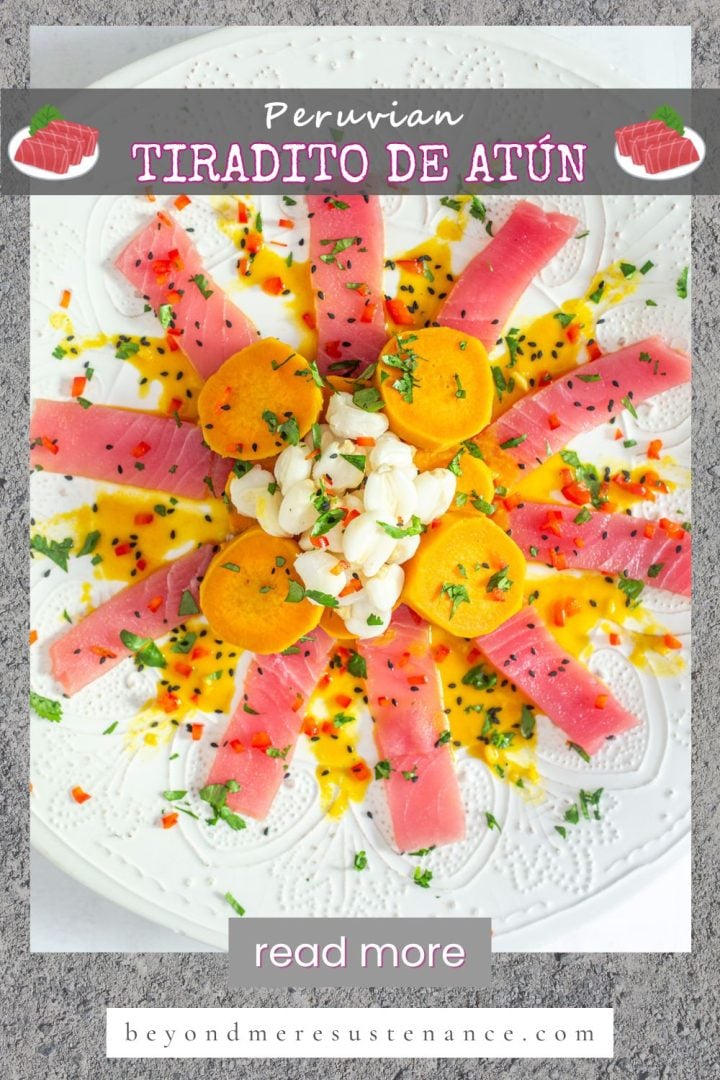
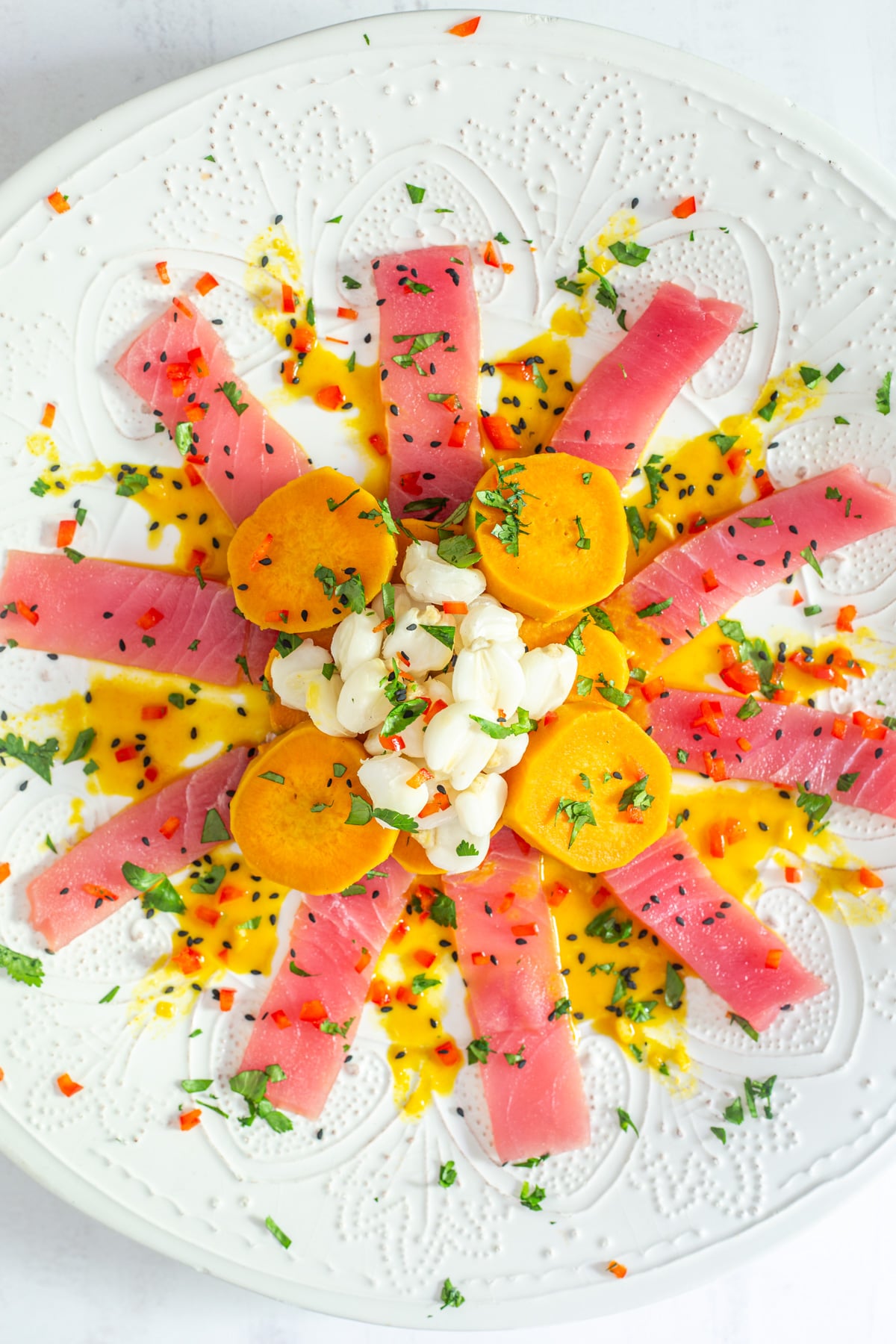
Tiradito de Atún (aka tuna) is a Peruvian raw tuna dish that combines Japanese slicing techniques with bold Peruvian flavors. The accompanying sauce is a Nikkei-leaning ají amarillo sauce that includes umami, savory acidity, aromatic citrus, and fruity heat flavors. Best of all, you won’t heat up your kitchen with this summery appetizer!
👩🏻🍳 Tamara Talks – About Tiradito de Atún
Tiradito is often described as a cross between sashimi and ceviche, but it has its own identity in Peruvian cuisine. While ceviche is older, and considered a foundational traditional Peruvian coastal dish, tiradito is a modern Nikkei (Peruvian-Japanese fusion) dish that focuses on thinly-sliced fish rather than the fish cut in cubes in ceviche. Nikkei cuisine emerged in Peru with an influx of Japanese immigrants in the late nineteenth and early twentieth centuries.
While tiradito typically features thin-sliced fish, smooth sauces, no onions or rustic toppings, I did take liberty with my scallop tiradito. With this Tiradito de Atún, I wanted to take it in a more traditional direction.
Fresh tuna can be hard to come by, but sashimi grade tuna is relatively easy to find in the freezer section of nice grocery stores. If I can’t count on the freshness of “fresh” tuna, I found the frozen and thawed overnight in the refrigerator to be the best option.
Given that tuna pairs so well with Japanese flavors, my sauce leans more on Japanese ingredients, but it is definitely Peruvian-Japanese fusion. The sauce I developed combines the heat of ají amarillo peppers, more complex acidity from ponzu, aromatic citrus from the yuzu juice, and enough umami to counteract the fatty tuna. It all goes in a blender, and highlights the tuna beautifully!
📋 Ingredients Notes
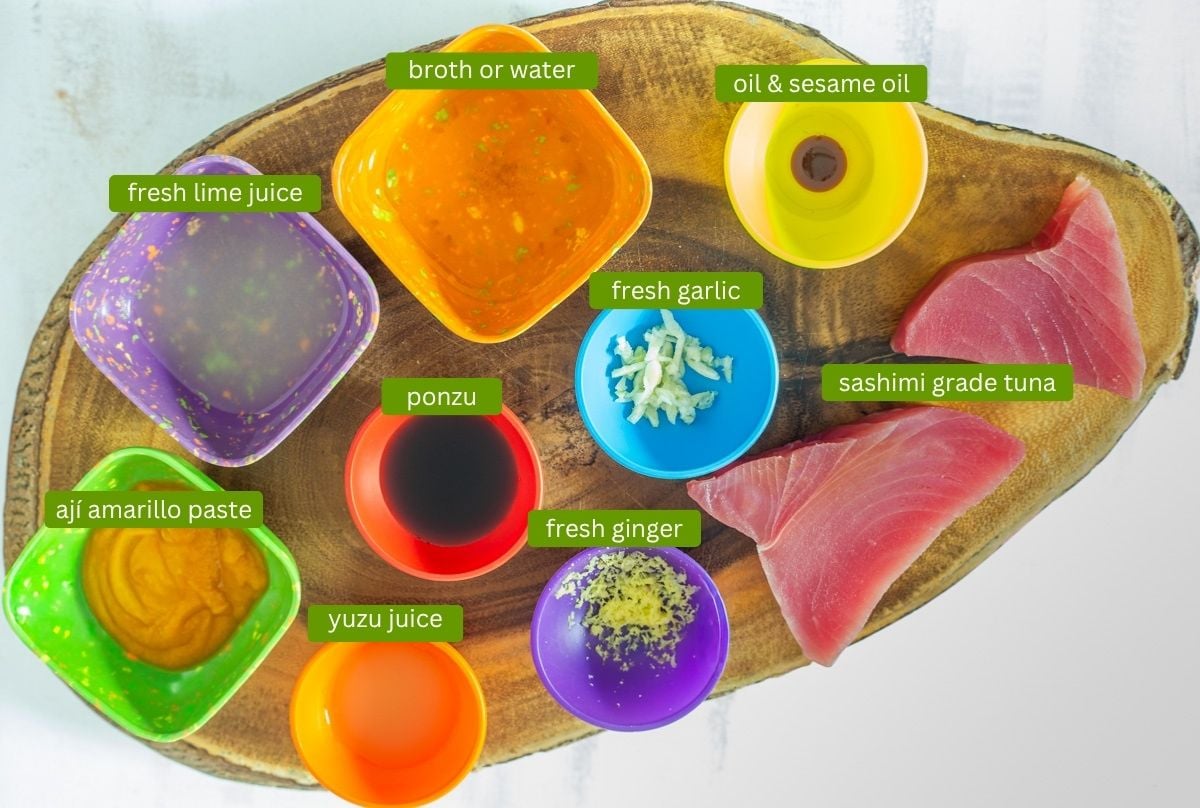
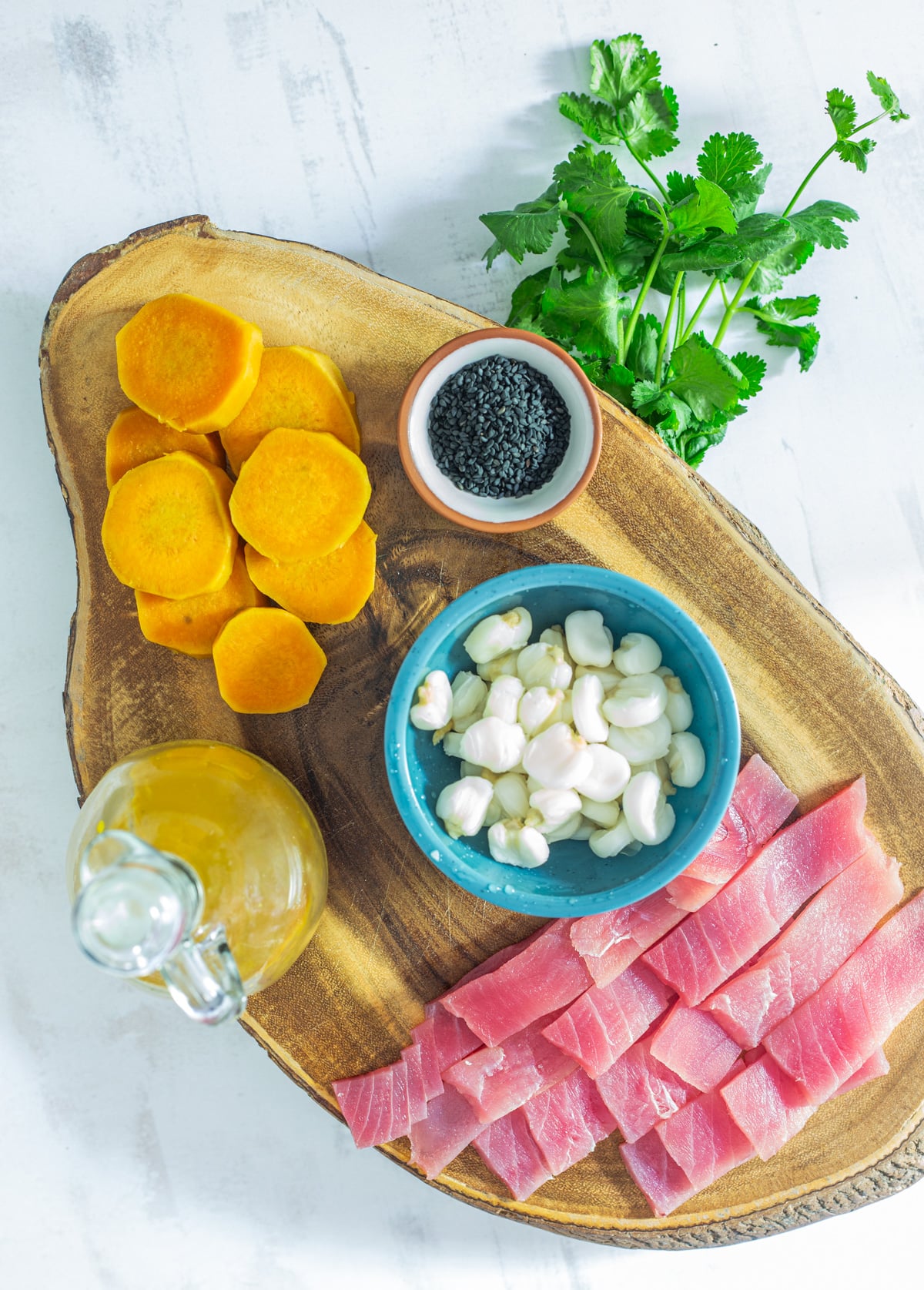
Here is a quick look at the ingredients in the recipe – it’s handy to use at the grocery store or as a summary of what you need. Skip to the recipe for quantities.
Note: As an Amazon Associate I earn from qualifying purchases at no additional cost to you. This helps to offset the costs of maintaining my blog and creating awesome content! 😊
🔪 Step-By-Step Instructions
- Chill the fish – I HIGHLY RECOMMEND starting with very cold or even slightly frozen tuna. I thaw my tuna in the refrigerator, and when it has completely thawed, I pop it back in the freezer for 15-30 minutes. This makes it much easier to slice thin.
- Prepare the sweet potatoes – If using steamed sweet potatoes, you’ll want to slice them about 3/8 inch thick. Steam 6-8 minutes over boiling water until tender but firm. Drain before using.
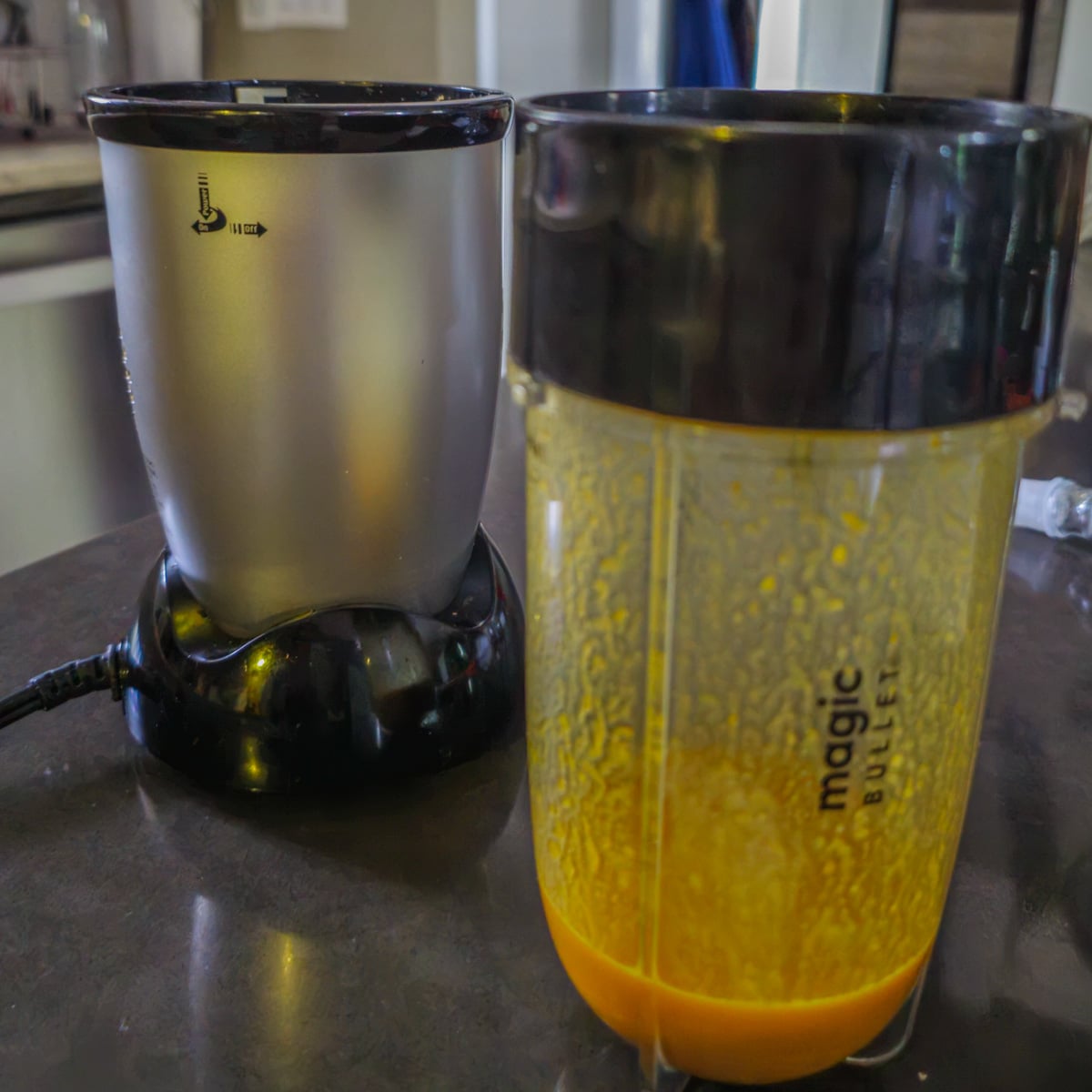
- Make the ají amarillo tiradito sauce – Add all sauce ingredients, and pulse until very smooth. Set aside. Shake vigorously before using. NOTE: I used my salad dressing cruet to drizzle the sauce beneath the tuna, and to add a little additional sauce on top. Reserve any additional ají amarillo sauce for serving with the dish.
- Prepare the tuna – Use a VERY SHARP KNIFE. Avoid sawing back and forth. Cut across the grain in one swipe if possible. Aim for 1/8 inch slices. See photo below.
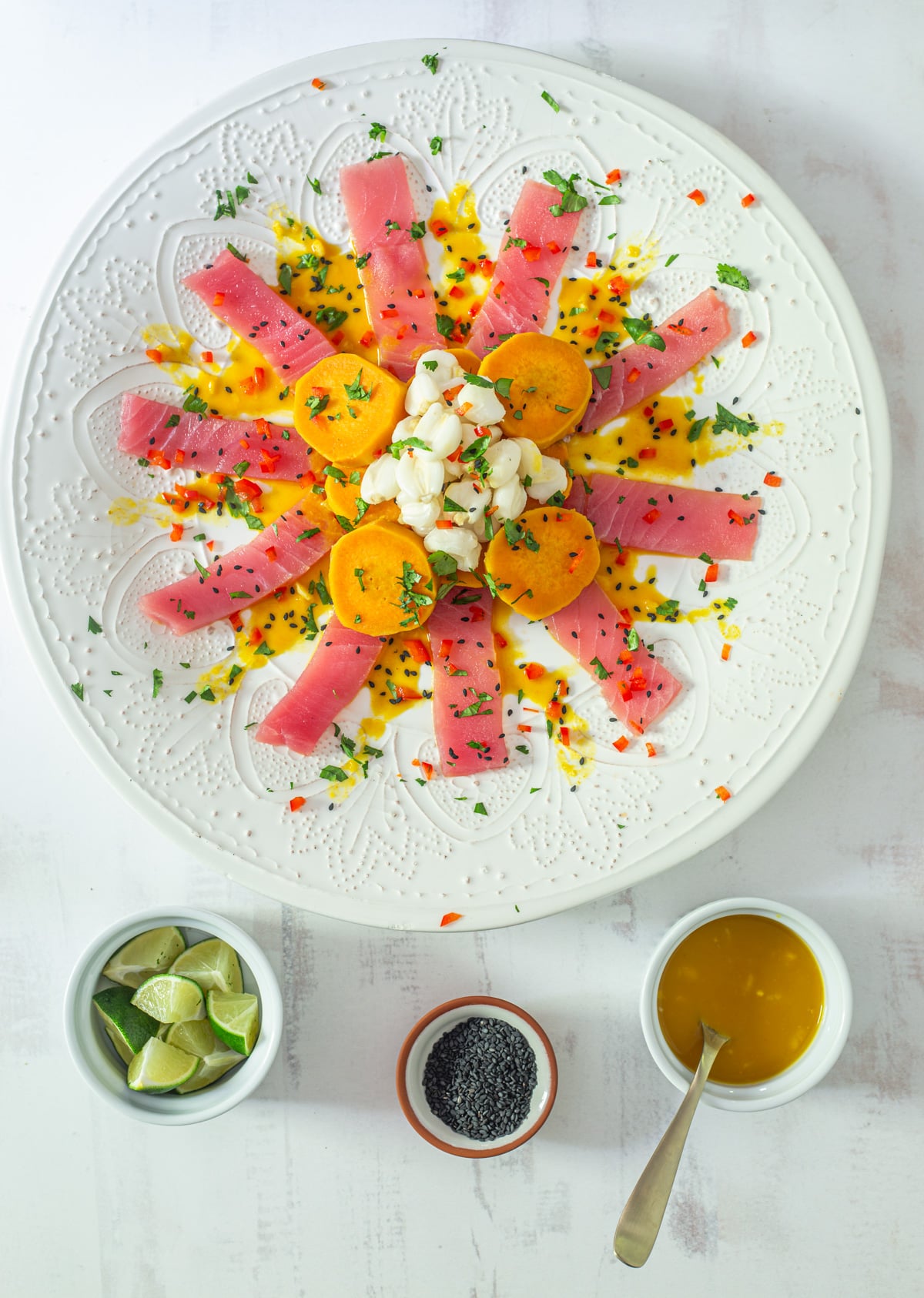
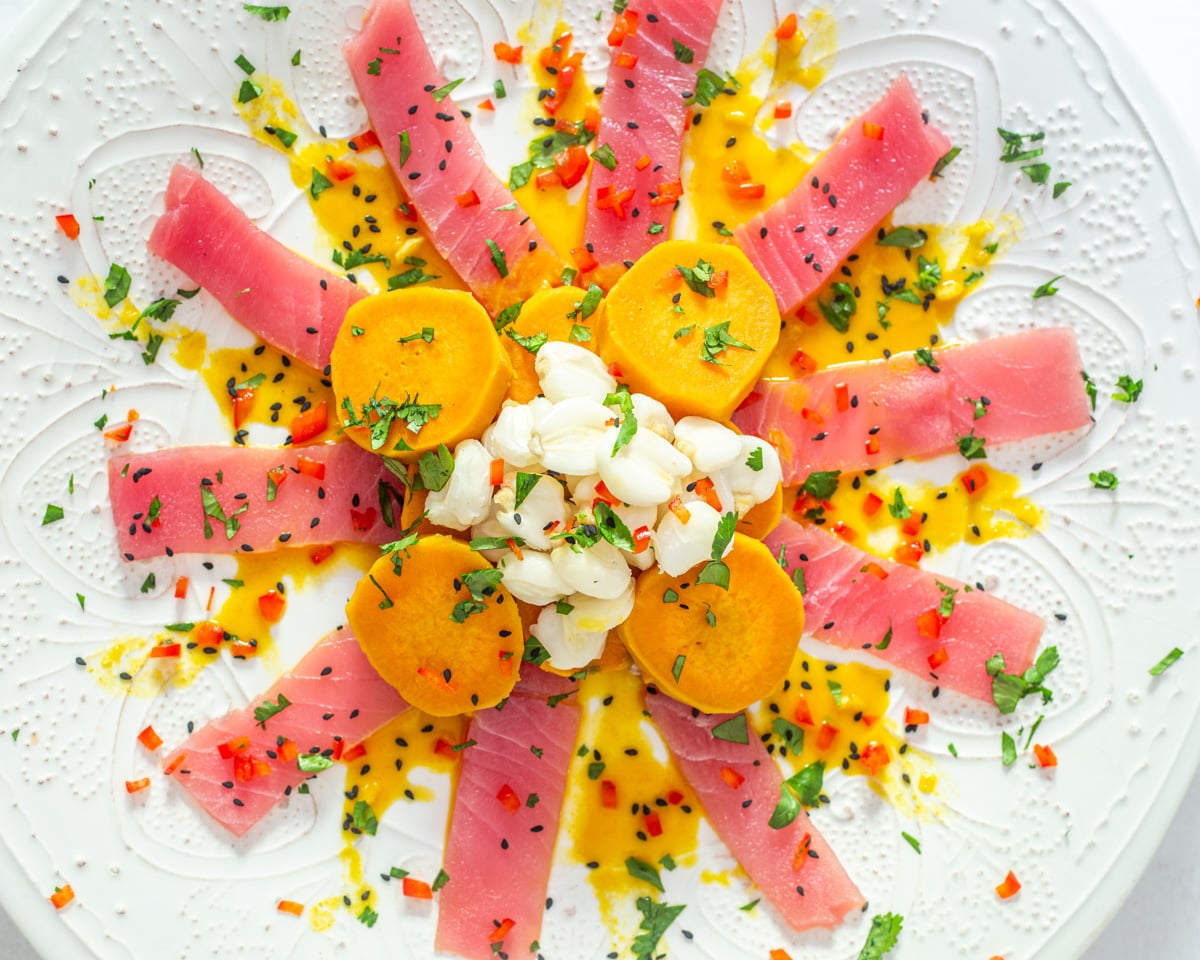
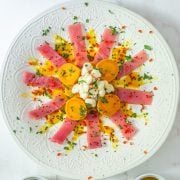
- Assemble the platter – Your arrangement is completely your choice. The photo below shows close up my layering of ingredients. When I did the scallop tiradito, I covered the scallops with the sauce… a LOT of sauce! The garnishes hid the scallops below. I wanted to do a more refined presentation this time to show off the fish. I chose to pile the sweet potatoes and maiz moté atop the less appealing slices of fish. Then I drizzled with the ají amarillo sauce, and served the remaining sauce on the side. Tiradito is not “cooked” in the sauce the same way it is with ceviche.
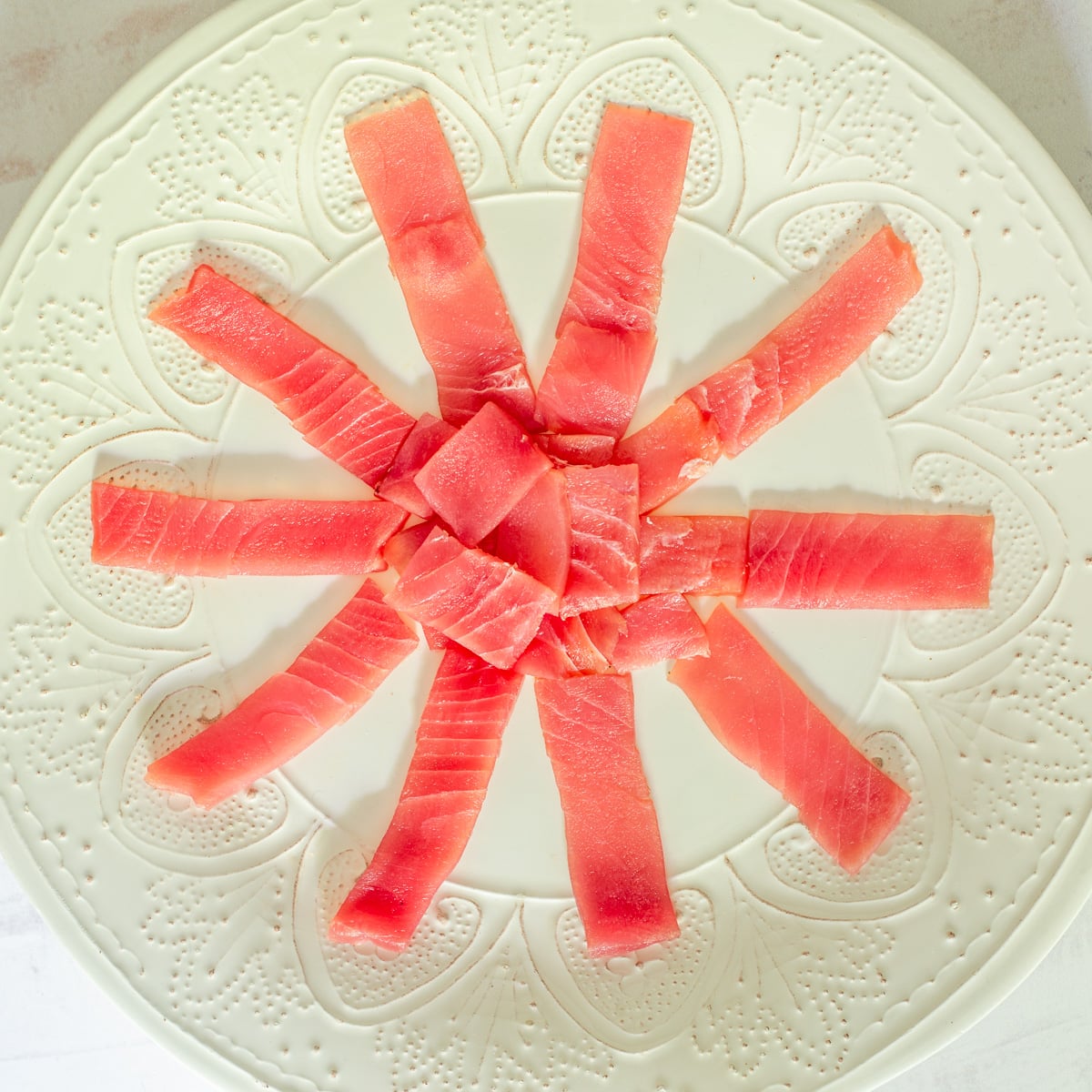
- NOTE: I put the “pretty” slices on the visible area, and added the short slices in the center beneath the maiz mote and sweet potatoes.
❓FAQ
My opinion would be ahi tuna for it’s availability, color, and cost. Ahi tuna is most typically yellowfin tuna, but can be bigeye tuna as well. Bluefin is exquisite, but arguably better showcased with simpler flavors. Albacore is good, but less exciting in this preparation. Its color is pale pink to ivory. If you really want excellent sashimi grade tuna, I have found Wild Alaska premium ahi tuna to be an excellent (albeit expensive) choice! NOTE: I did not receive compensation for this recommendation. I have ordered their fish, and loved all of it.
A sashimi knife is the obvious choice, but you probably don’t have one in your kitchen! They’re expensive. I use a good quality chef knife. It’s an 8″ knife that maintains its edge with regular sharpening. It’s Japanese steel. This chef knife is going to get the job done if it is properly sharpened. This sharpener is similar to mine, and it gets the job done.
I am hoping next growing season to have a greenhouse to grow Peruvian peppers. I cannot get fresh Peruvian peppers in North Carolina, though I could occasionally get rocoto peppers in Texas. I find Fresno chiles, and red jalapeños to be the best substitute.

Thin-slicing the Fish
🐟Slice VERY COLD fish! I like to stick the tuna in the freezer for 15-20 minutes. It makes it much easier to slice! You don’t want it frozen – just very firm.
🐟Use the sharpest, longest knife you have. A short knife forces sawing back and forth. Try to use one long pull by starting at the heel of the knife, and pulling towards you.
🐟Cut across the grain. Look at the muscle lines, and slice perpendicular to them. This results in a more tender texture and cleaner bite.
If you have any questions/comments related to this tiradito recipe and its sauce, please reach out to tamara@beyondmeresustenance.com, or comment on the bottom of the post. I try to answer within 24 hours. This is such a beautiful dish to present as an appetizer at a party, and can be a light meal for 2 people. And, it doesn’t require any cooking for those hot summer days!

Tiradito de Atún Recipe

Click to rate!
Ingredients
Tiradito
- 2 tablespoons ají amarillo paste
- 2 tablespoons fresh lime juice
- 1-2 tablespoons cold fish stock, dashi, or water
- 1 tablespoon ponzu
- 1-2 teaspoons yuzu juice
- 1 teaspoon fresh ginger - finely minced
- 1 clove fresh garlic - finely minced
- 1 teaspoon neutral oil - or ½ teaspoon sesame oil and ½ teaspoon neutral oil
- a pinch of salt - as needed
- 2 6 ounce tuna steaks, sliced ⅛" thick - ahi/yellowfin, big eye, bluefin, albacore (not as exciting in this dish)
Garnishes – Choose 1 or More!
- black sesame seeds
- chopped herbs - cilantro, chives, shiso, microgreens
- steamed or boiled thick-sliced sweet potato
Instructions
- Add all sauce ingredients – ají amarillo paste through oil – to a blender. Blend until very smooth.
- Starting with well-chilled, or partially frozen tuna, slice ⅛ inch thick across the grain.
- Assemble the platter as desired, serving additional sauce on the side. (Refer to photos for inspiration).
Notes
Nutrition
NOTE: Macronutrients are an approximation only using unbranded ingredients and MyFitnessPal.com. Please do your own research with the products you’re using if you have a serious health issue or are following a specific diet.
This is a really good way to use high-quality ahi tuna. The sauce is fantastic and complements the tuna really well.